The Dolphin Study
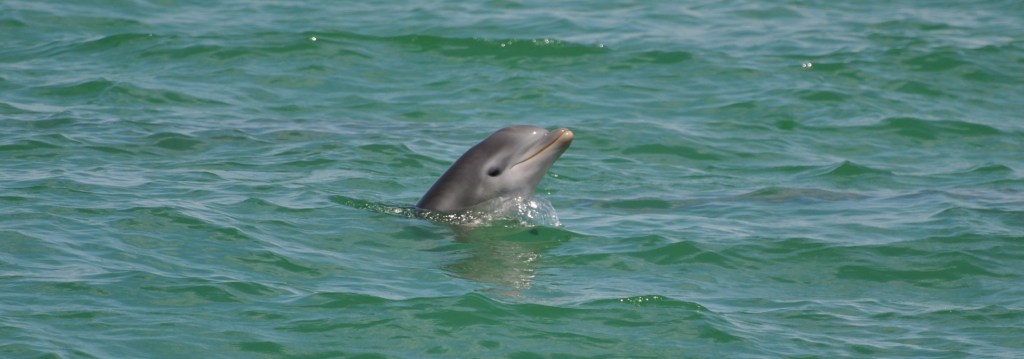
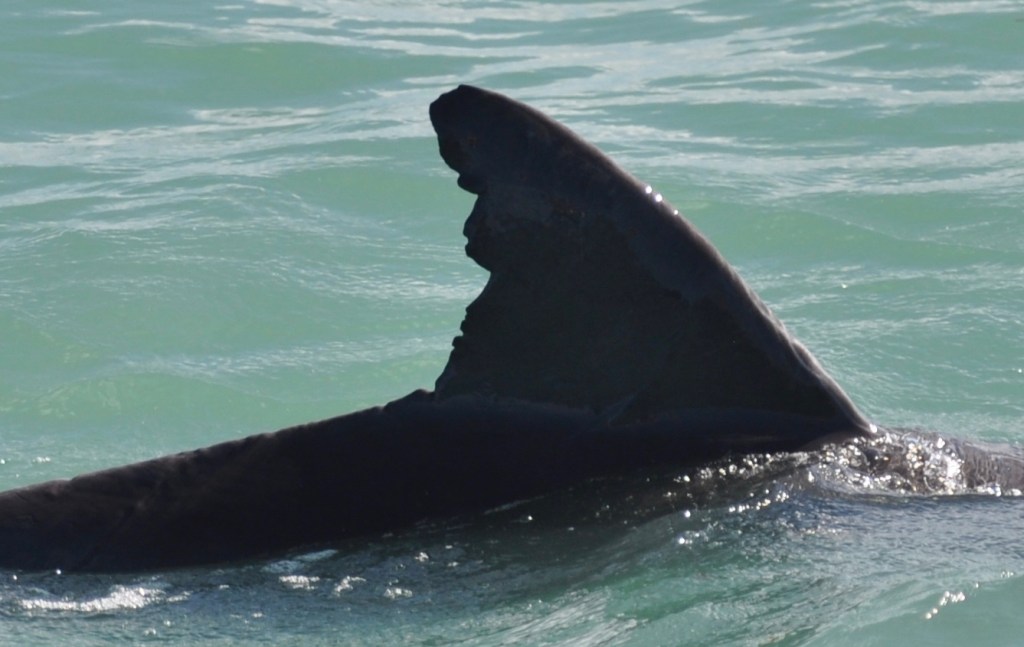
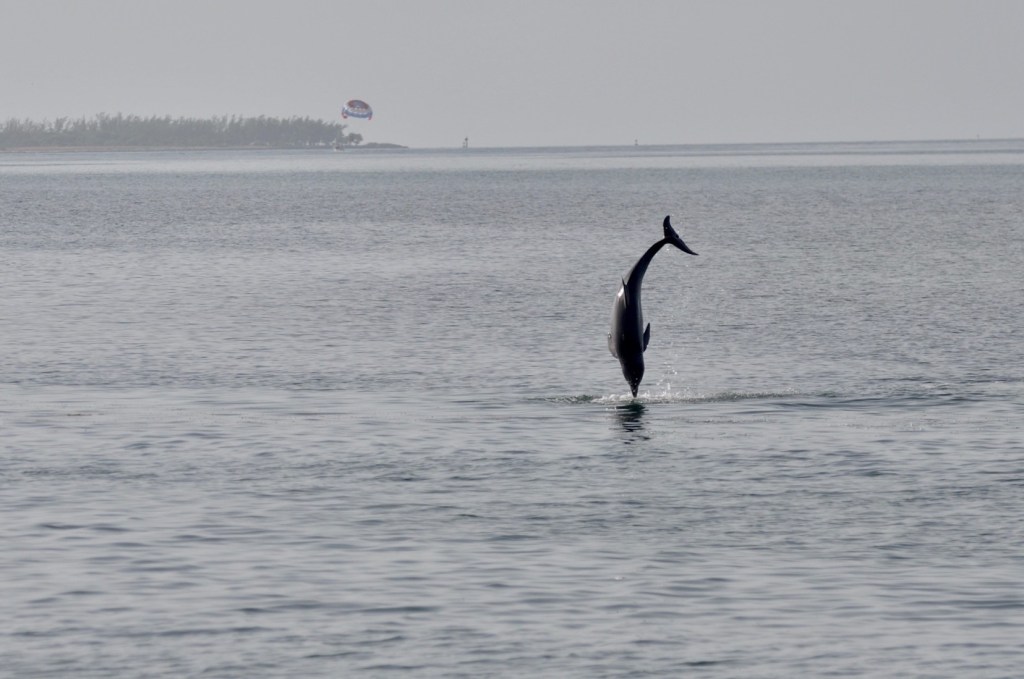
Have you ever wanted to be a marine biologist? Now’s your chance to partner with three early-career marine scientists to help them research the wild bottlenose dolphins of Key West, Florida! This population of dolphins has never been studied before, and this is an exciting opportunity to learn about their distribution, behavior, and conservation needs.
Meet the Scientists
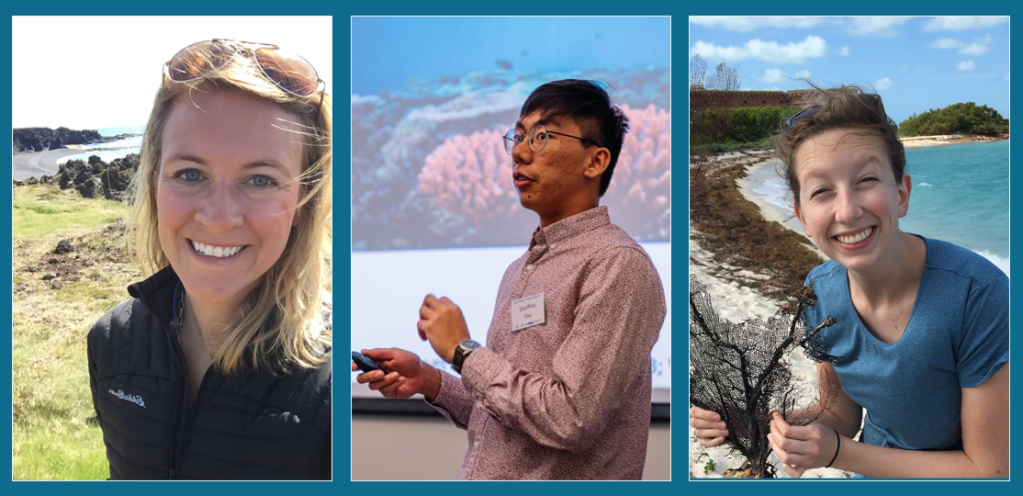
Rachel G. Jordan – Principal Investigator

Rachel first encountered a dolphin when she was six years old, which sparked a life-long love for marine science. She holds a B.S. in Ecology and a M.S. in Marine Biology & Ecology, with previous research focusing on stress hormones in sea anemones and chemical growth supplements for corals.
In addition to working as a coral biologist for the U.S. National Park Service, Rachel has worked in marine aquaculture research, organic chemistry laboratories, veterinary research facilities, the pet industry, and a museum. Rachel is also the author of If the Ocean Has a Soul and hopes to pursue a PhD in marine science.
Jaclyn Doody – Field Operations Specialist
As a young ten year old girl, Jaclyn fell in love with dolphins during a trip to SeaWorld. Ever since her Freshman year at Eckerd College, she has gained worldwide experience studying several whale and dolphin species that reside in the wild.
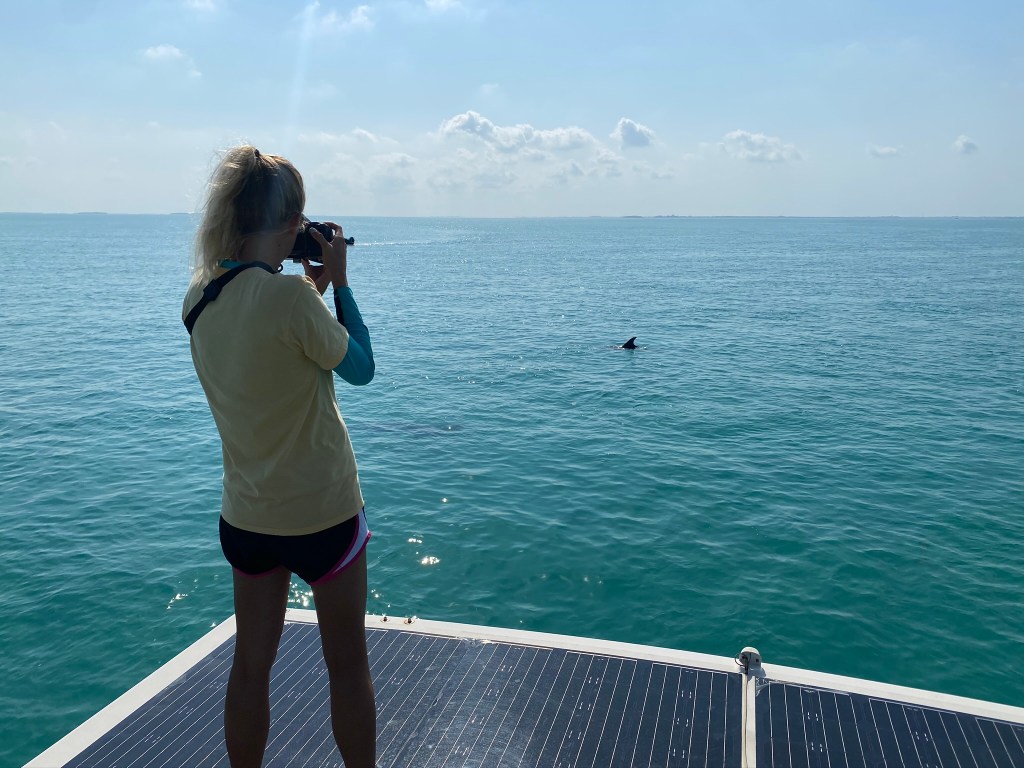
Those experiences changed Jaclyn’s perspective on the captivity industry, and she is dedicating her career to researching and educating people about wild marine mammals. Upon moving to Key West to work as a guide for a dolphin watching operation, she utilized the field and laboratory skills she accrued to launch this independent study. It was intended to be an engaging way for Jaclyn to inspire an interest in wild dolphin research, but knowing it could set the stage for marine biologists to gain additional insight into the local dolphins is so much more meaningful and awe-inspiring.
Geoffrey Yau – Data Analyst
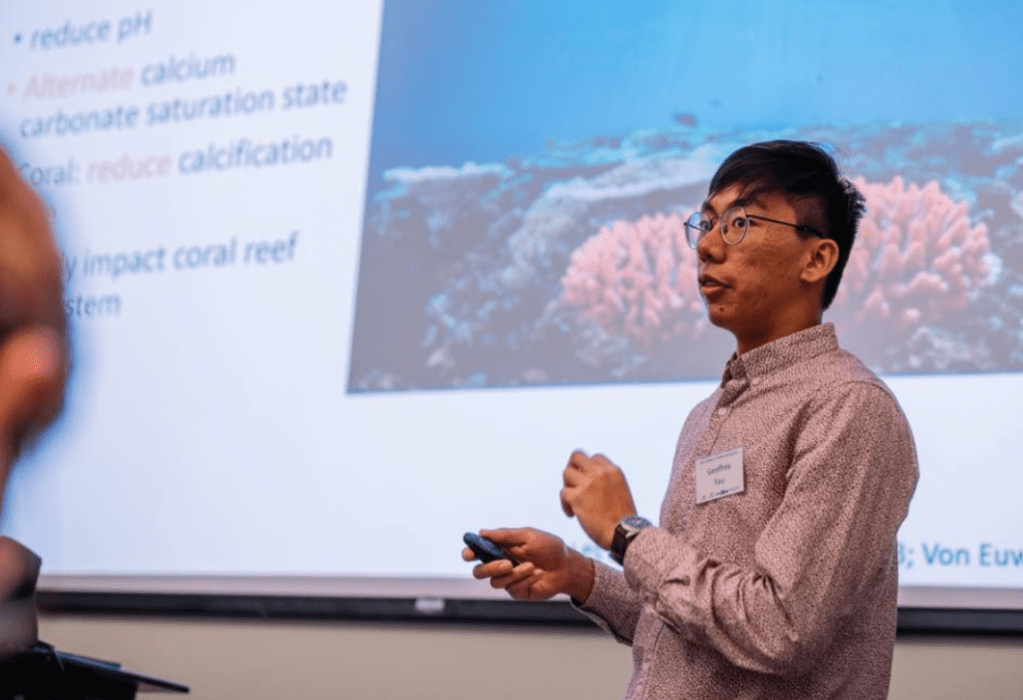
Geoffrey has loved the ocean ever since he started scuba diving at age ten. After joining Reef Check and seeing the impact of climate change on marine ecosystems, he wanted to do something about it. So, he switched from studying Chemistry to Marine Biology during his undergraduate degree.
Despite the global pandemic, he completed an MPhil, researching how sulfur chemicals produced by corals might help with coral calcification. In this dolphin population research project, Geoffrey is handling data analysis—designing and validating the methods and interpreting results ecological meaning. He likes to joke that he got into this project because “Asians are good with numbers,” but really, he’s just excited to help out with marine conservation in any way he can.
All three scientists are early in their careers, bent on helping dolphin conservation, and determined to share their research findings with the world.
Sampling & Experimental Design
If you’re curious about the real-world science and would like to wade deeper into this project, you’ve come to the right place. In this study, the scientists hope to learn the following about the local Key West dolphin population:
What are the dolphins’ spatial patterns? Answering this question will require the scientists to identify spatial clusters and hotspots. They will also analyze the prevalence and distribution of mother dolphins with calves.
How do dolphin behaviors relate to location? The scientists will test whether behaviors (like fishing or traveling) are linked to specific locations.
How do environmental factors influence dolphins? To answer this, the scientists will assess the impact of environment (including human activity, for example) on habitat use.
What implications does this research have for conservation? Through this study, the scientists will discover mechanisms driving the spatial ecology and habitat use of dolphins, from which conservation implications will be identified. The scientists will also put forward suggestions for future research.

You Can Help
This project faces a critical issue. Camera equipment ($1,000) and software for data analysis ($500) are needed, and in order to publish this study in a peer-reviewed journal that anyone can access, there will be expensive journal processing fees ($3,000). This is where you come in.
Any amount helps! When you fund this dolphin study, you’ll not only be helping 3 passionate scientists pursue their dreams, but you’ll also help answer important questions about a group of dolphins that has never been studied. More specifically, you’ll help answer the following:
- How are the Key West dolphins using their environment? (For example, do they have preferences for specific locations?)
- Do locations affect the dolphins’ behavior? (For example, could they be using some locations for foraging and others for raising their young?)
Fund this Study
Are you ready to dive in? Fund this research and help Rachel, Jaclyn, and Geoffrey learn about Key West’s bottlenose dolphins, contribute to peer-reviewed open-access scientific literature, and grow their careers as marine scientists!
Want to learn more? For project updates, follow along on Rachel’s Instagram or sign up for her quarterly newsletter.
 Rachel G. Jordan | Christian Marine Biologist